
The effectiveness of the pandemic H1N1 influenza vaccination program, introduced in Scotland in October 2009, has been assessed by a team of researchers from different Scottish and French institutions, coordinated by Dr. Colin Simpson, from the University of Edinburgh. The results of this assessment has been published in the June issue of Lancet.
The vaccination campaign consisted of two phases, the first being aimed at frontline health-care workers, pregnant women and people whose underlying health problems make them more sensitive to influenza-like illness; in the second phase, all children aged between 6 months and 5 years were targeted.
The researchers performed a retrospective study by linking primary care, hospital records and death certification datasets of 247178 persons, representing the 5% of Scottish population. Of them, 38296 (15.5%) were given the vaccination. In this nationally representative cohort there were fewer hospital admissions and deaths from influenza-like illness – influenza, pneumonia, chronic obstructive pulmonary disease and cardiac disorders – in patients who were vaccinated against H1N1 influenza A virus. A representative sub-group of patient was swabbed and tested with RT-PCR, revealing an estimated vaccine effectiveness of 77%. Such a result proved to be higher than recent estimates in case-control studies undertaken in the UK (72%) and Europe (71.9%) but lower than another one performed in Navarre, Spain (89%).
The study thus provided evidence that the Scottish H1N1 vaccination program have been effective, both in terms of protection against the virus and reduction of mortality from influenza-like illness, and is likely to have reduced the burden of pandemic influenza on health-care providers.
Effectiveness in Scotland
Primary tabs
prossimo articolo
Cosa sappiamo sul crollo del Ponte Morandi, dopo la sentenza di I grado
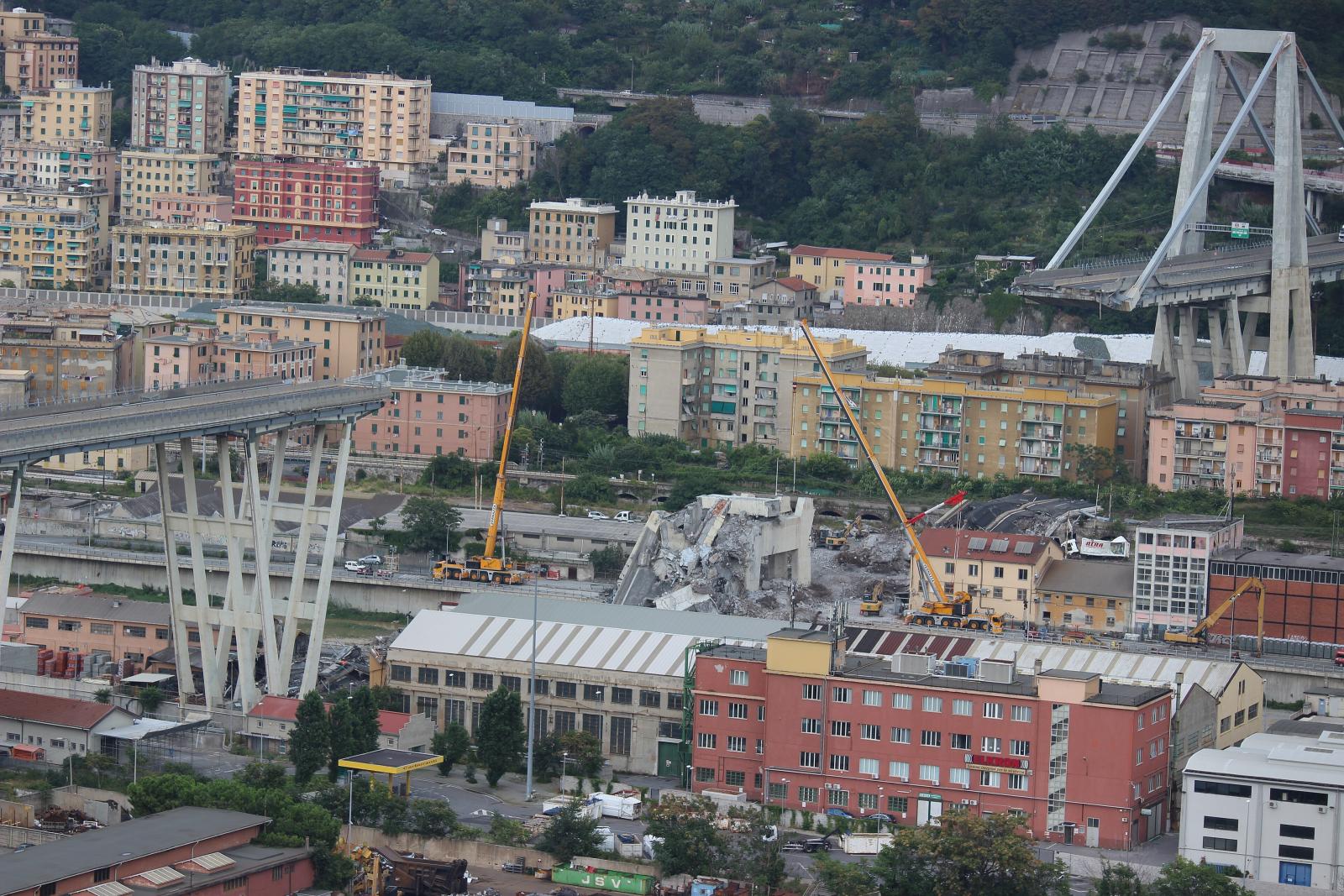
Si è concluso ieri il processo di primo grado per accertare le responsabilità per il crollo del viadotto Polcevera il 14 agosto 2018. I giudici hanno condannato i vertici di Autostrade per l’Italia, società che gestiva l’opera, e della sua controllata incaricata della manutenzione, oltre che un funzionario del Ministero dei Trasporti. La condanna sembra quindi confermare la tesi dell’accusa secondo cui a causare il disastro fu la mancata manutenzione dell’opera e in particolare dei cavi in calcestruzzo armato che ancoravano il ponte al pilone numero 9. Le armature in acciaio di quei cavi erano gravemente corrose, come già nel 1992 era stato constatato decidendo di intervenire sul pilone numero 11. Una nuova indagine del 2015 confermava lo stato di degrado. Un progetto di risanamento dell’intero ponte era stato concluso nel 2017 e approvato nel 2018, pochi mesi prima del crollo. Nell'immagine di copertina il Ponte Morandi dopo il crollo. Fonte: Alessio Sbarbaro/Wikipedia (CC BY-SA 4.0).

Giovedì 16 luglio, la procura di Genova ha pubblicato la sentenza del processo di primo grado per il crollo del viadotto Polcevera, anche noto come “Ponte Morandi”, un ponte strallato in calcestruzzo armato precompresso inaugurato nel 1967, lungo 1182 metri, che collegava Genova a Savona scavalcano il torrente Polcevera e alcuni quartieri di Genova situati nella valle.