
The effectiveness of the pandemic H1N1 influenza vaccination program, introduced in Scotland in October 2009, has been assessed by a team of researchers from different Scottish and French institutions, coordinated by Dr. Colin Simpson, from the University of Edinburgh. The results of this assessment has been published in the June issue of Lancet.
The vaccination campaign consisted of two phases, the first being aimed at frontline health-care workers, pregnant women and people whose underlying health problems make them more sensitive to influenza-like illness; in the second phase, all children aged between 6 months and 5 years were targeted.
The researchers performed a retrospective study by linking primary care, hospital records and death certification datasets of 247178 persons, representing the 5% of Scottish population. Of them, 38296 (15.5%) were given the vaccination. In this nationally representative cohort there were fewer hospital admissions and deaths from influenza-like illness – influenza, pneumonia, chronic obstructive pulmonary disease and cardiac disorders – in patients who were vaccinated against H1N1 influenza A virus. A representative sub-group of patient was swabbed and tested with RT-PCR, revealing an estimated vaccine effectiveness of 77%. Such a result proved to be higher than recent estimates in case-control studies undertaken in the UK (72%) and Europe (71.9%) but lower than another one performed in Navarre, Spain (89%).
The study thus provided evidence that the Scottish H1N1 vaccination program have been effective, both in terms of protection against the virus and reduction of mortality from influenza-like illness, and is likely to have reduced the burden of pandemic influenza on health-care providers.
Effectiveness in Scotland
Primary tabs
prossimo articolo
Cosa si impara smontando un viadotto vecchio cinquant’anni
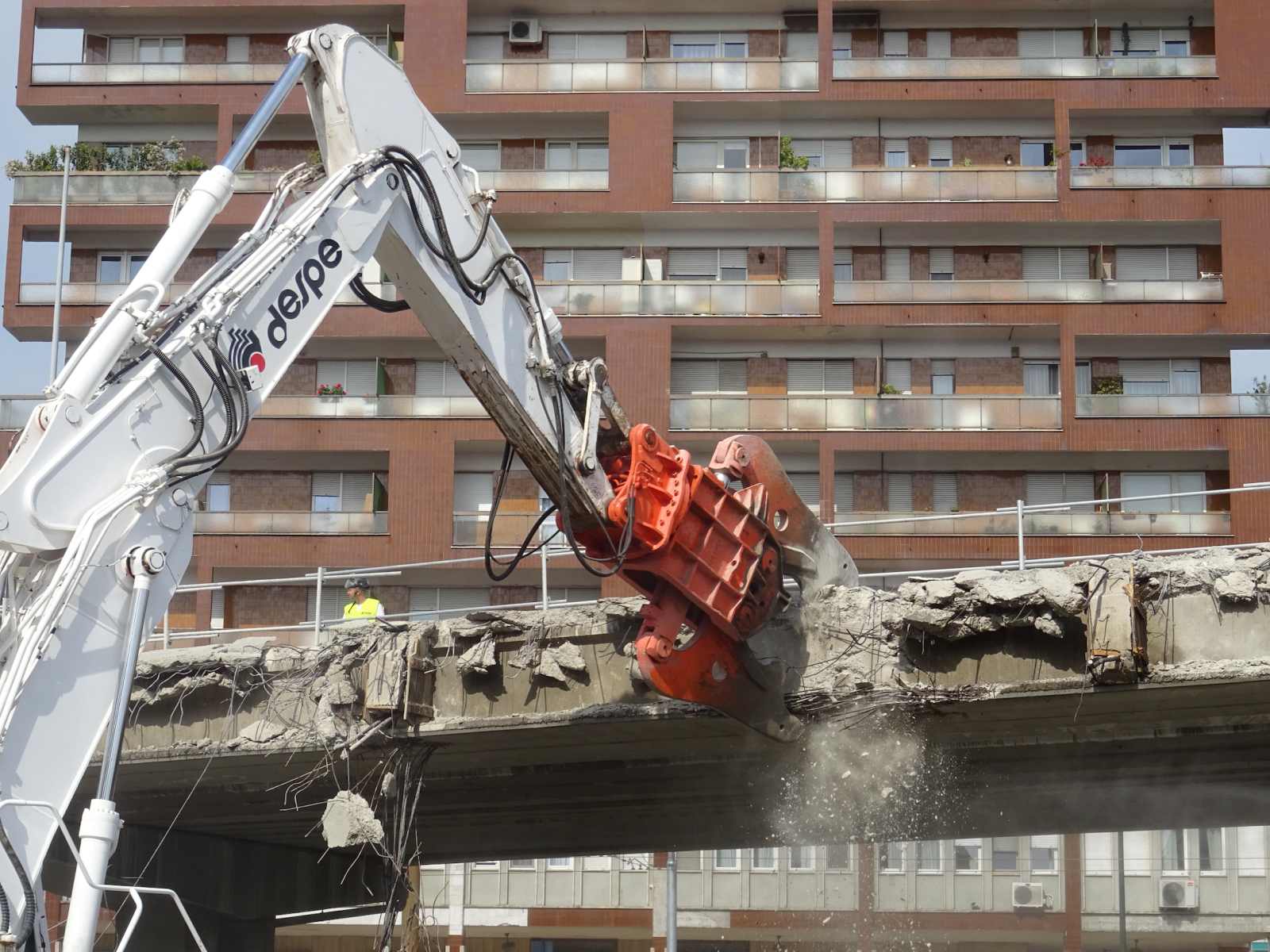
Il crollo del Ponte Morandi ha portato all'attenzione dei legislatori il problema della durabilità delle strutture in calcestruzzo armato. Una delle principali cause di degrado di questo materiale è la corrosione, che però finora non veniva considerata adeguatamente nella progettazione delle opere e nel pianificare la loro manutenzione. Esistono modelli computazionali che possono prevedere come il degrado dei materiali incide sulla tenuta strutturale dei ponti o dei viadotti ma finora non era stato possibile testarli a scala reale. Il progetto di ricerca BRIDGE|50 colma questa lacuna. Alcune delle travi di un viadotto che doveva essere demolito a Torino per fare posto a un collegamento ferroviario sono state smontate e portate in un sito sperimentale allestito allo scopo. I ricercatori ne hanno prima misurato il livello di degrado e poi le hanno sottoposte a prove di carico fino a rottura. Quello che hanno imparato potrebbe essere applicato ad altre strutture già esistenti e aiutare a pianificarne meglio la manutenzione.
Nell'immagine le operazioni di demolizione del viadotto di Corso Grosseto a Torino. Credit: Mattia Anghileri/BRIDGE|50.
Il 14 agosto 2018 la pila 9 del Viadotto del Polcevera a Genova, anche noto come Ponte Morandi, cedette portando con sé un tratto di 250 metri di ponte e la vita di 43 persone. Le pile sono gli elementi verticali che sostengono l’impalcato di un ponte, la striscia orizzontale dove transitano i veicoli. Le cause del crollo del Ponte Morandi, tuttora oggetto di accertamento, sono state ricercate anche nella corrosione dei cavi metallici degli stralli in calcestruzzo armato collegati alla sommità della pila 9.