
The effectiveness of the pandemic H1N1 influenza vaccination program, introduced in Scotland in October 2009, has been assessed by a team of researchers from different Scottish and French institutions, coordinated by Dr. Colin Simpson, from the University of Edinburgh. The results of this assessment has been published in the June issue of Lancet.
The vaccination campaign consisted of two phases, the first being aimed at frontline health-care workers, pregnant women and people whose underlying health problems make them more sensitive to influenza-like illness; in the second phase, all children aged between 6 months and 5 years were targeted.
The researchers performed a retrospective study by linking primary care, hospital records and death certification datasets of 247178 persons, representing the 5% of Scottish population. Of them, 38296 (15.5%) were given the vaccination. In this nationally representative cohort there were fewer hospital admissions and deaths from influenza-like illness – influenza, pneumonia, chronic obstructive pulmonary disease and cardiac disorders – in patients who were vaccinated against H1N1 influenza A virus. A representative sub-group of patient was swabbed and tested with RT-PCR, revealing an estimated vaccine effectiveness of 77%. Such a result proved to be higher than recent estimates in case-control studies undertaken in the UK (72%) and Europe (71.9%) but lower than another one performed in Navarre, Spain (89%).
The study thus provided evidence that the Scottish H1N1 vaccination program have been effective, both in terms of protection against the virus and reduction of mortality from influenza-like illness, and is likely to have reduced the burden of pandemic influenza on health-care providers.
Effectiveness in Scotland
Primary tabs
prossimo articolo
Early warning sismico: un test a posteriori sull’ultimo grande terremoto in Turchia e Siria
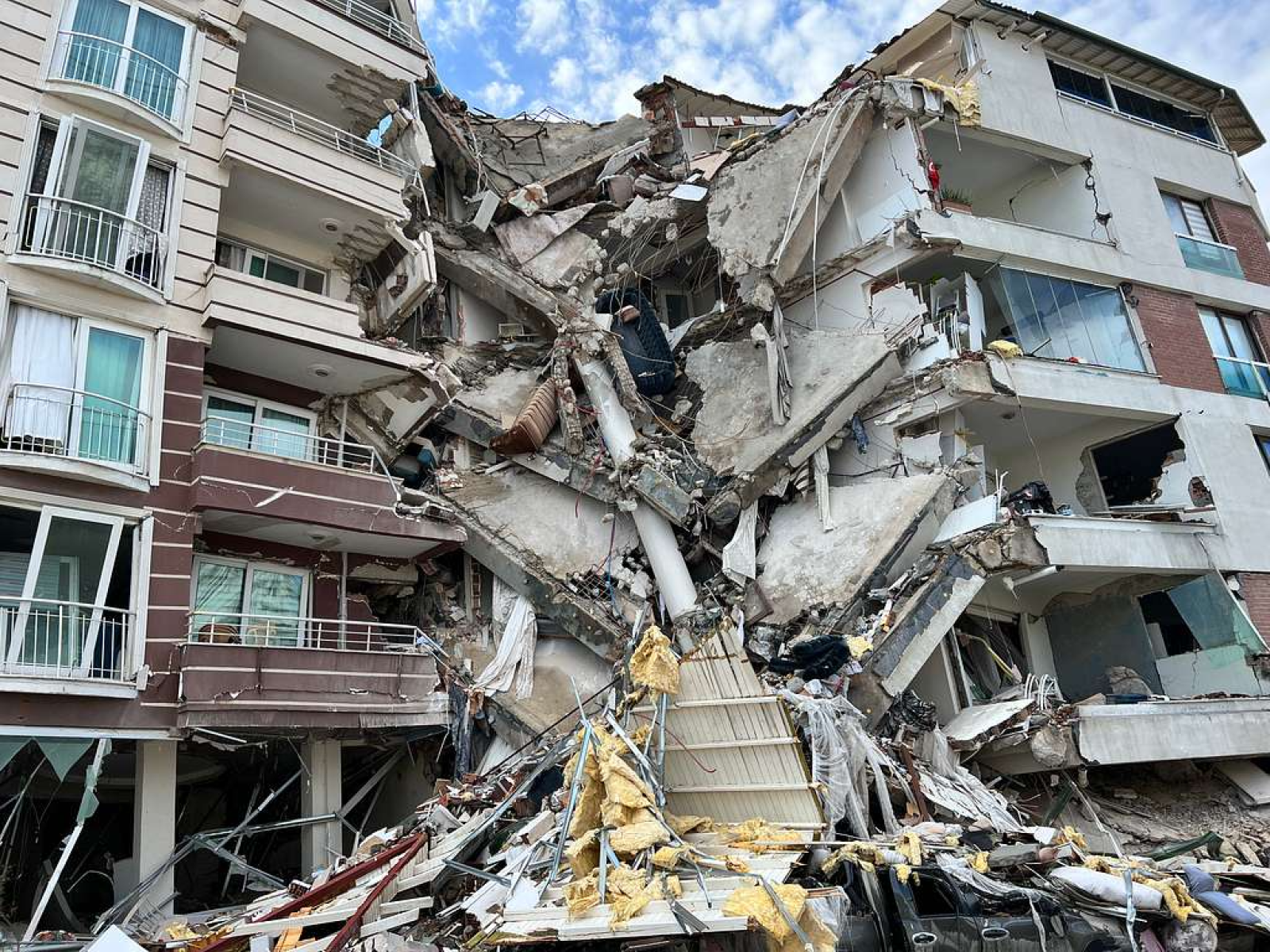
I sistemi di allerta sismica precoce puntano ad avvertire con secondi o decine di secondi di anticipo che è in arrivo un terremoto pericoloso. Si basano sul fatto che quando la crosta terrestre si frattura, si generano due tipi di onde. Le prime, longitudinali, solitamente non causano danni e viaggiano più velocemente delle seconde, trasversali che invece possono causare danni anche significativi agli edifici e quindi alle persone. I sistemi di allerta precoce processano il segnale delle prime onde e prevedono se e dove, nell’area circostante l’epicentro, è probabile che le seconde siano distruttive. Un gruppo di sismologi dell’Università di Napoli Federico II ha messo alla prova un approccio innovativo all’allerta precoce sfruttando i dati relativi alla prima delle due scosse che hanno colpito la regione tra Turchia e Siria a febbraio del 2023. Quella sequenza sismica ha causato quasi sessantamila morti, lasciando un milione e mezzo di persone senza casa. Nell’immagine: edifici crollati nella provincia turca di Hatay il 7 febbraio 2023. Credit: Hilmi Hacaloğlu/Voice of America.

Un gruppo di sismologi dell’Università di Napoli Federico II ha messo a punto un sistema per l’allerta sismica precoce e lo ha testato retrospettivamente sulla prima delle due scosse che hanno colpito la regione al confine tra Turchia e Siria il 6 febbraio del 2023. Considerando una soglia di intensità sismica (l’effetto del terremoto su persone e cose) moderata, il sistema si è dimostrato in grado di prevedere la zona da allertare con un anticipo che varia da 10 a 60 secondi allontanandosi dall’epicentro da 20 a 300 chilometri, con una percentuale molto contenuta di falsi allarmi.