
The effectiveness of the pandemic H1N1 influenza vaccination program, introduced in Scotland in October 2009, has been assessed by a team of researchers from different Scottish and French institutions, coordinated by Dr. Colin Simpson, from the University of Edinburgh. The results of this assessment has been published in the June issue of Lancet.
The vaccination campaign consisted of two phases, the first being aimed at frontline health-care workers, pregnant women and people whose underlying health problems make them more sensitive to influenza-like illness; in the second phase, all children aged between 6 months and 5 years were targeted.
The researchers performed a retrospective study by linking primary care, hospital records and death certification datasets of 247178 persons, representing the 5% of Scottish population. Of them, 38296 (15.5%) were given the vaccination. In this nationally representative cohort there were fewer hospital admissions and deaths from influenza-like illness – influenza, pneumonia, chronic obstructive pulmonary disease and cardiac disorders – in patients who were vaccinated against H1N1 influenza A virus. A representative sub-group of patient was swabbed and tested with RT-PCR, revealing an estimated vaccine effectiveness of 77%. Such a result proved to be higher than recent estimates in case-control studies undertaken in the UK (72%) and Europe (71.9%) but lower than another one performed in Navarre, Spain (89%).
The study thus provided evidence that the Scottish H1N1 vaccination program have been effective, both in terms of protection against the virus and reduction of mortality from influenza-like illness, and is likely to have reduced the burden of pandemic influenza on health-care providers.
Effectiveness in Scotland
Primary tabs
prossimo articolo
L’impatto di una colata detritica, istante per istante
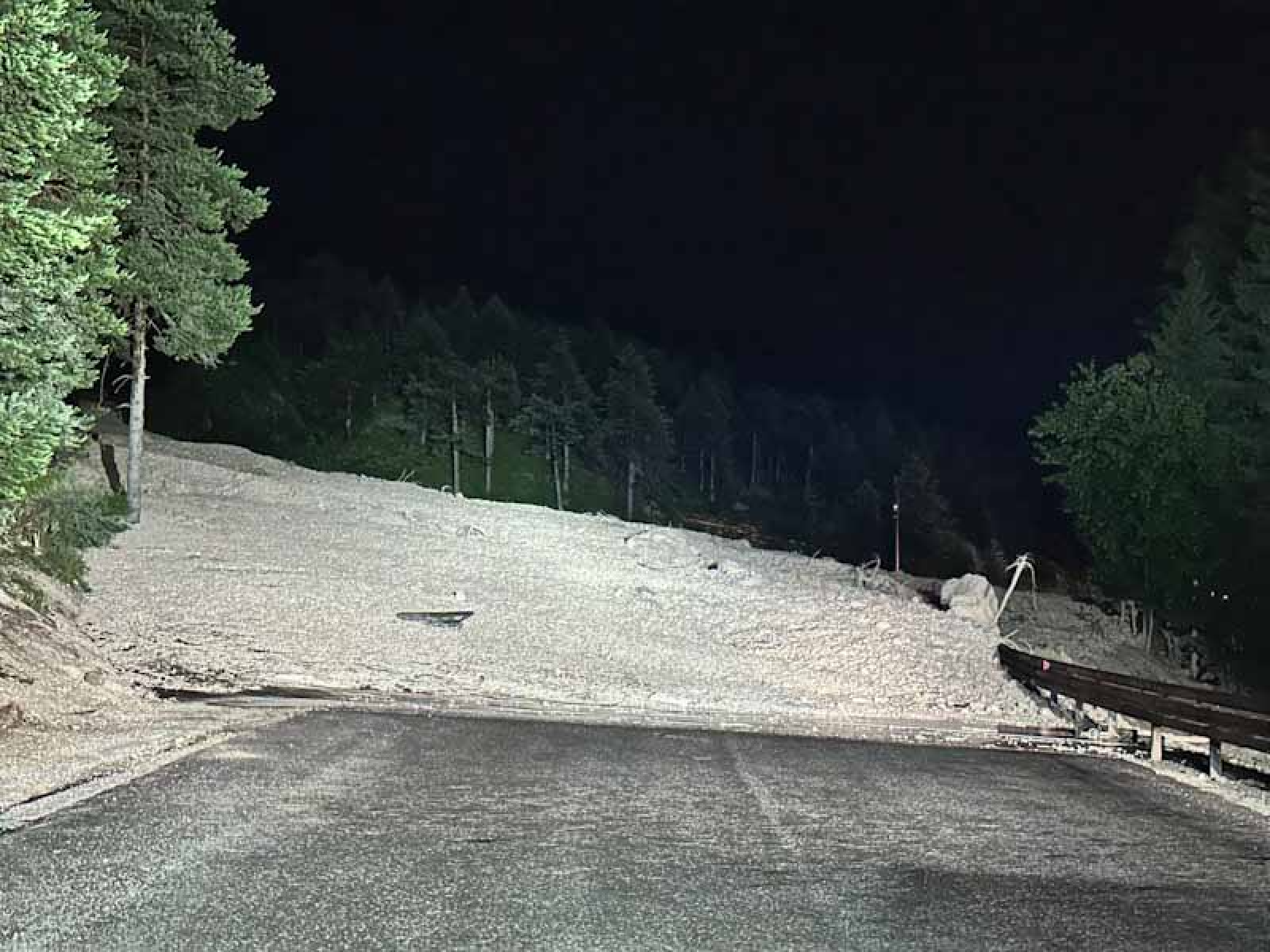
Durante l’impatto di una colata detritica su un ostacolo la forza cambia nel tempo, riflettendo la coesistenza e l’evoluzione di una fase solida e di una fase fluida nelle diverse porzioni del flusso. Un nuovo modello computazionale sviluppato al Politecnico di Milano riesce a tenere conto di entrambe le fasi in modo agile, aprendo la strada a strumenti più efficaci per la gestione del rischio associato a questi fenomeni.Nell’immagine: la colata detritica che ha invaso la strada statale Alemagna nei pressi di San Vito di Cadore (Belluno) tra giungo e luglio 2025.
Un gruppo di ingegneri del Politecnico di Milano ha messo a punto un modello computazionale più maneggevole di quelli disponibili finora capace di descrivere il comportamento delle colate detritiche, quelle frane in cui i comportamenti tipici di un solido coesistono con quelli tipici di un fluido. Il modello potrebbe essere usato per valutare l'impatto delle colate detritiche su strutture e infrastrutture esistenti e per progettare in modo più appropriato barriere per ridurre i loro effetti.