
The effectiveness of the pandemic H1N1 influenza vaccination program, introduced in Scotland in October 2009, has been assessed by a team of researchers from different Scottish and French institutions, coordinated by Dr. Colin Simpson, from the University of Edinburgh. The results of this assessment has been published in the June issue of Lancet.
The vaccination campaign consisted of two phases, the first being aimed at frontline health-care workers, pregnant women and people whose underlying health problems make them more sensitive to influenza-like illness; in the second phase, all children aged between 6 months and 5 years were targeted.
The researchers performed a retrospective study by linking primary care, hospital records and death certification datasets of 247178 persons, representing the 5% of Scottish population. Of them, 38296 (15.5%) were given the vaccination. In this nationally representative cohort there were fewer hospital admissions and deaths from influenza-like illness – influenza, pneumonia, chronic obstructive pulmonary disease and cardiac disorders – in patients who were vaccinated against H1N1 influenza A virus. A representative sub-group of patient was swabbed and tested with RT-PCR, revealing an estimated vaccine effectiveness of 77%. Such a result proved to be higher than recent estimates in case-control studies undertaken in the UK (72%) and Europe (71.9%) but lower than another one performed in Navarre, Spain (89%).
The study thus provided evidence that the Scottish H1N1 vaccination program have been effective, both in terms of protection against the virus and reduction of mortality from influenza-like illness, and is likely to have reduced the burden of pandemic influenza on health-care providers.
Effectiveness in Scotland
Primary tabs
prossimo articolo
Clima, ambiente e conflitti: implicazioni etiche per la medicina e la garanzia della cura
Cambiamento climatico, degrado ambientale e aumento delle disuguaglianze sono minacce per la salute pubblica in Europa. In parallelo, il deterioramento del contesto geopolitico e l’aumento della spesa militare rischiano di sottrarre risorse alla prevenzione sanitaria, alla mitigazione climatica e al rafforzamento dei sistemi sanitari. I dati epidemiologici indicano che i rischi ambientali sono responsabili in Europa di più di 200.000 morti premature ogni anno, mentre i rischi climatici aumentano in frequenza e intensità. Allo stesso tempo, i conflitti armati e la crescente militarizzazione delle politiche di sicurezza sollevano interrogativi sulle priorità di investimento pubblico. Come possiamo integrare la salute umana nelle strategie di sicurezza europea? Una proposta è adottare un paradigma di sicurezza fondato su salute umana, stabilità degli ecosistemi e cooperazione internazionale. Integrare la salute nelle politiche energetiche, industriali e di sicurezza, insieme alla promozione della sostenibilità dei sistemi sanitari, può contribuire a costruire un modello di governance europea più resiliente ed equo. In questo contesto, la professione medica è chiamata a svolgere un ruolo etico e civico nel promuovere politiche orientate alla tutela e al diritto alla salute e alla garanzia della cura.
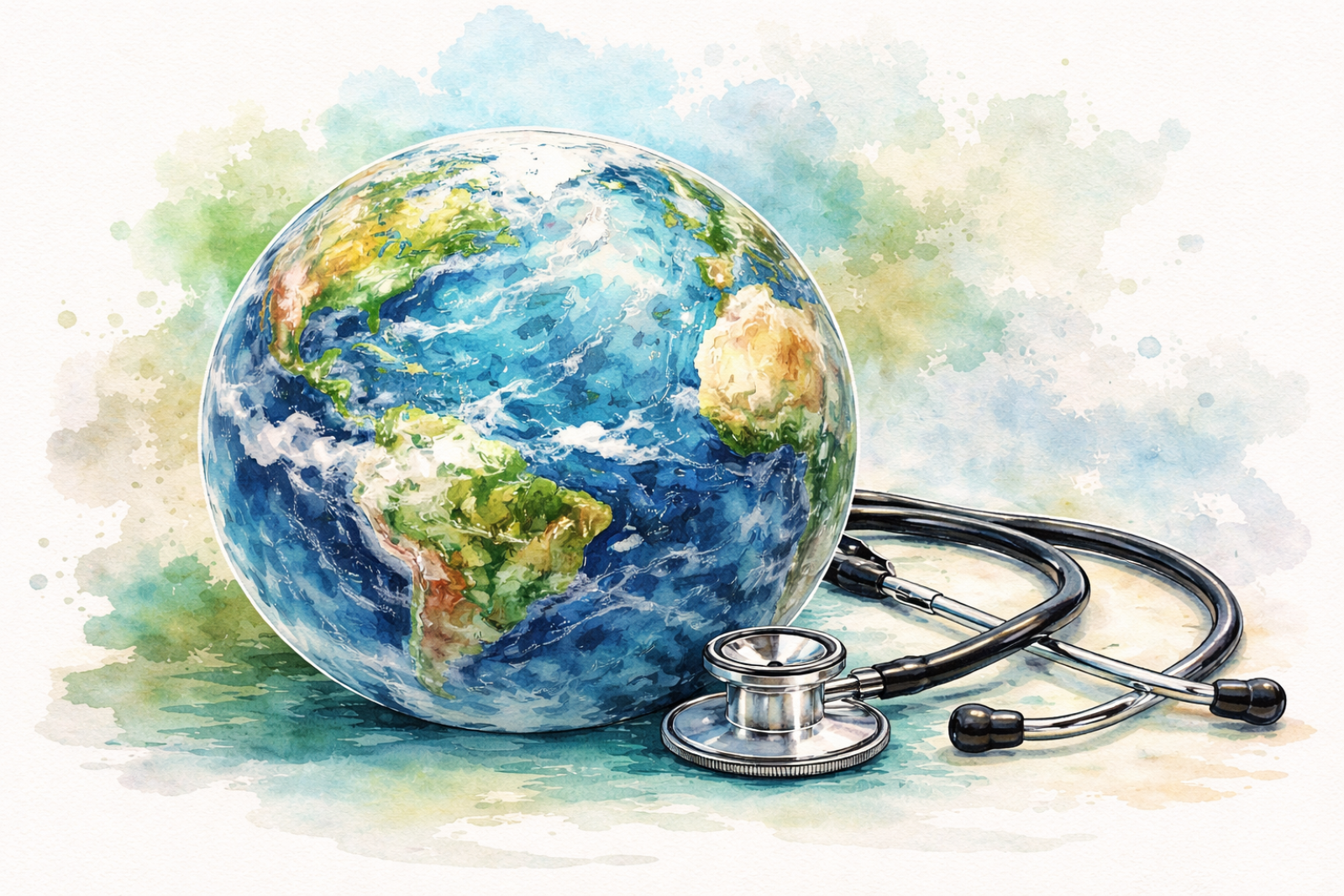
Immagine di copertina generata con ChatGPT
Negli ultimi decenni, il concetto di sicurezza ha subito una profonda trasformazione. Tradizionalmente associata alla difesa militare degli Stati e alla protezione dei confini nazionali, oggi la sicurezza include dimensioni economiche, energetiche, ambientali e sanitarie.