
The effectiveness of the pandemic H1N1 influenza vaccination program, introduced in Scotland in October 2009, has been assessed by a team of researchers from different Scottish and French institutions, coordinated by Dr. Colin Simpson, from the University of Edinburgh. The results of this assessment has been published in the June issue of Lancet.
The vaccination campaign consisted of two phases, the first being aimed at frontline health-care workers, pregnant women and people whose underlying health problems make them more sensitive to influenza-like illness; in the second phase, all children aged between 6 months and 5 years were targeted.
The researchers performed a retrospective study by linking primary care, hospital records and death certification datasets of 247178 persons, representing the 5% of Scottish population. Of them, 38296 (15.5%) were given the vaccination. In this nationally representative cohort there were fewer hospital admissions and deaths from influenza-like illness – influenza, pneumonia, chronic obstructive pulmonary disease and cardiac disorders – in patients who were vaccinated against H1N1 influenza A virus. A representative sub-group of patient was swabbed and tested with RT-PCR, revealing an estimated vaccine effectiveness of 77%. Such a result proved to be higher than recent estimates in case-control studies undertaken in the UK (72%) and Europe (71.9%) but lower than another one performed in Navarre, Spain (89%).
The study thus provided evidence that the Scottish H1N1 vaccination program have been effective, both in terms of protection against the virus and reduction of mortality from influenza-like illness, and is likely to have reduced the burden of pandemic influenza on health-care providers.
Effectiveness in Scotland
Primary tabs
prossimo articolo
Rinnovabili: conviene usarle e produrle
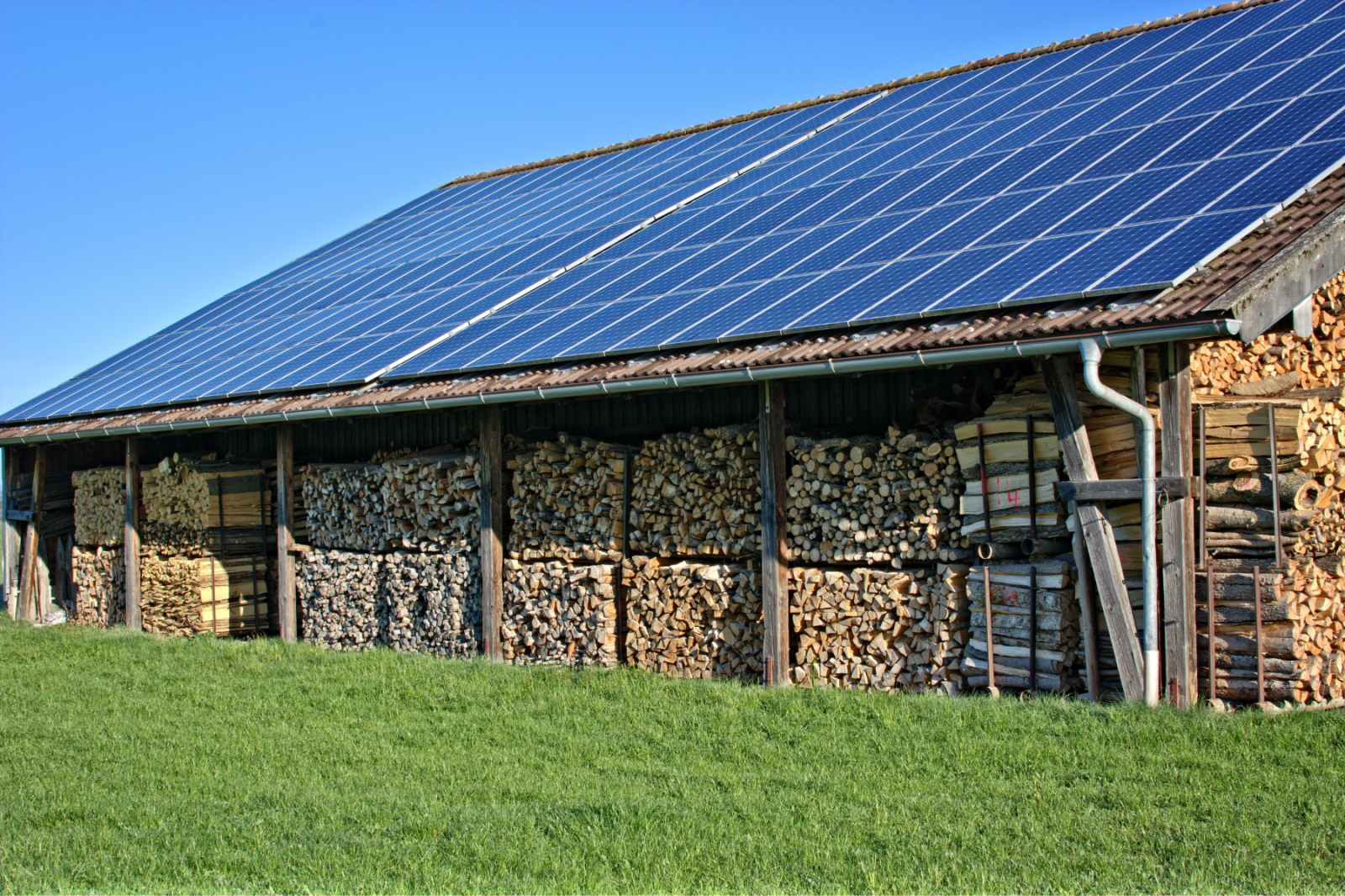
Nel Regno Unito, la forte crescita di eolico e solare durante la guerra in Iran ha permesso di ridurre l’importazione di gas e contenere i costi energetici, mostrando però anche i limiti del sistema europeo che continua a legare il prezzo dell’elettricità a quello del gas: il meccanismo da un lato conviene ai produttori di rinnovabili, dall'altro pesa sui consumatori.
Foto di Manfred Antranias Zimmer da Pixabay
Nel Regno Unito, dall'inizio della guerra in Iran, eolico e solare hanno generato un record di 21 terawattora di energia, stando a un'analisi di Carbon Brief. Una quantità sufficiente a evitare l'importazione di 41 terawattora di gas, equivalenti a circa 34 navi cisterna di gas naturale liquefatto. Navi che, ai prezzi attuali gonfiati dal conflitto, sarebbero costate circa 1,7 miliardi di sterline.