
The effectiveness of the pandemic H1N1 influenza vaccination program, introduced in Scotland in October 2009, has been assessed by a team of researchers from different Scottish and French institutions, coordinated by Dr. Colin Simpson, from the University of Edinburgh. The results of this assessment has been published in the June issue of Lancet.
The vaccination campaign consisted of two phases, the first being aimed at frontline health-care workers, pregnant women and people whose underlying health problems make them more sensitive to influenza-like illness; in the second phase, all children aged between 6 months and 5 years were targeted.
The researchers performed a retrospective study by linking primary care, hospital records and death certification datasets of 247178 persons, representing the 5% of Scottish population. Of them, 38296 (15.5%) were given the vaccination. In this nationally representative cohort there were fewer hospital admissions and deaths from influenza-like illness – influenza, pneumonia, chronic obstructive pulmonary disease and cardiac disorders – in patients who were vaccinated against H1N1 influenza A virus. A representative sub-group of patient was swabbed and tested with RT-PCR, revealing an estimated vaccine effectiveness of 77%. Such a result proved to be higher than recent estimates in case-control studies undertaken in the UK (72%) and Europe (71.9%) but lower than another one performed in Navarre, Spain (89%).
The study thus provided evidence that the Scottish H1N1 vaccination program have been effective, both in terms of protection against the virus and reduction of mortality from influenza-like illness, and is likely to have reduced the burden of pandemic influenza on health-care providers.
Effectiveness in Scotland
prossimo articolo
Un batterio che sopravvive all'impatto su Marte può viaggiare nello spazio?
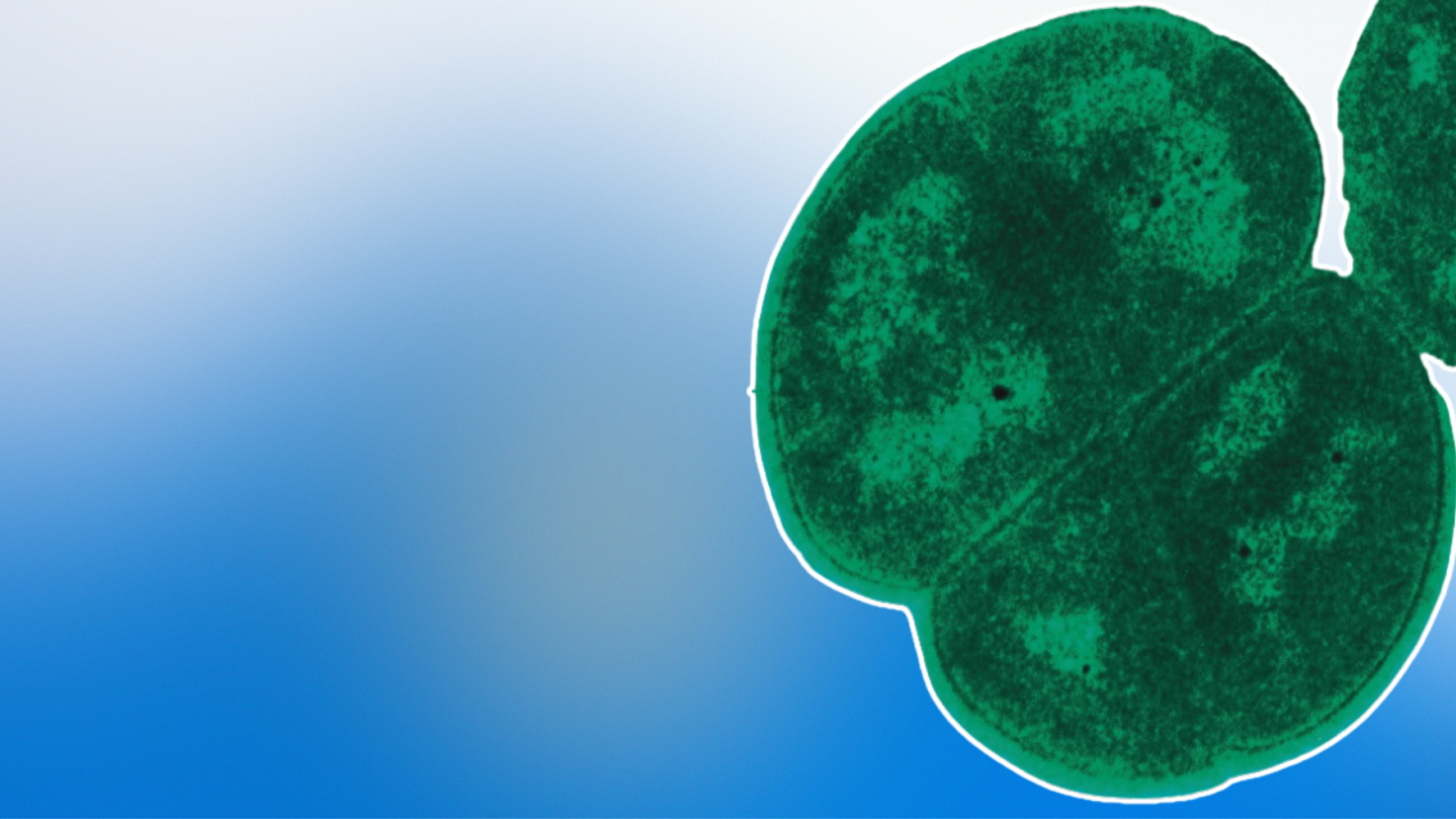
Un nuovo studio della Johns Hopkins mostra che il batterio Deinococcus radiodurans sopravvive a pressioni paragonabili a quelle di un'espulsione di corpi rocciosi dalla superficie marziana. Questo risultato può avere implicazioni per le politiche di protezione planetaria, ma rappresenta solo una tappa verso la comprensione di se e come la vita microbica potrebbe sopravvivere a un viaggio interplanetario.
Nell'immagine di copertina: elaborazione della fotografia al microscopio elettronico di di D. radiodurans (da Wikimedia Commons, pubblico dominio)

Gli impatti di corpi celesti come asteroidi o comete evocano l’idea di forze dalla potenza capace di modellare superfici di pianeti o provocare estinzioni di specie. Collegarli alla vita può essere meno intuitivo, eppure questi eventi possono generare ambienti potenzialmente abitabili nei crateri che lasciano, o trasportare molecole organiche da un corpo celeste all’altro. Chiedersi se la vita stessa possa sopravvivere a un impatto è un passo ulteriore, con conseguenze dirette per le politiche di protezione planetaria che regolano le attività umane nello spazio.