
The effectiveness of the pandemic H1N1 influenza vaccination program, introduced in Scotland in October 2009, has been assessed by a team of researchers from different Scottish and French institutions, coordinated by Dr. Colin Simpson, from the University of Edinburgh. The results of this assessment has been published in the June issue of Lancet.
The vaccination campaign consisted of two phases, the first being aimed at frontline health-care workers, pregnant women and people whose underlying health problems make them more sensitive to influenza-like illness; in the second phase, all children aged between 6 months and 5 years were targeted.
The researchers performed a retrospective study by linking primary care, hospital records and death certification datasets of 247178 persons, representing the 5% of Scottish population. Of them, 38296 (15.5%) were given the vaccination. In this nationally representative cohort there were fewer hospital admissions and deaths from influenza-like illness – influenza, pneumonia, chronic obstructive pulmonary disease and cardiac disorders – in patients who were vaccinated against H1N1 influenza A virus. A representative sub-group of patient was swabbed and tested with RT-PCR, revealing an estimated vaccine effectiveness of 77%. Such a result proved to be higher than recent estimates in case-control studies undertaken in the UK (72%) and Europe (71.9%) but lower than another one performed in Navarre, Spain (89%).
The study thus provided evidence that the Scottish H1N1 vaccination program have been effective, both in terms of protection against the virus and reduction of mortality from influenza-like illness, and is likely to have reduced the burden of pandemic influenza on health-care providers.
Effectiveness in Scotland
Primary tabs
prossimo articolo
Il mare sempre più caldo cambia sotto i nostri occhi
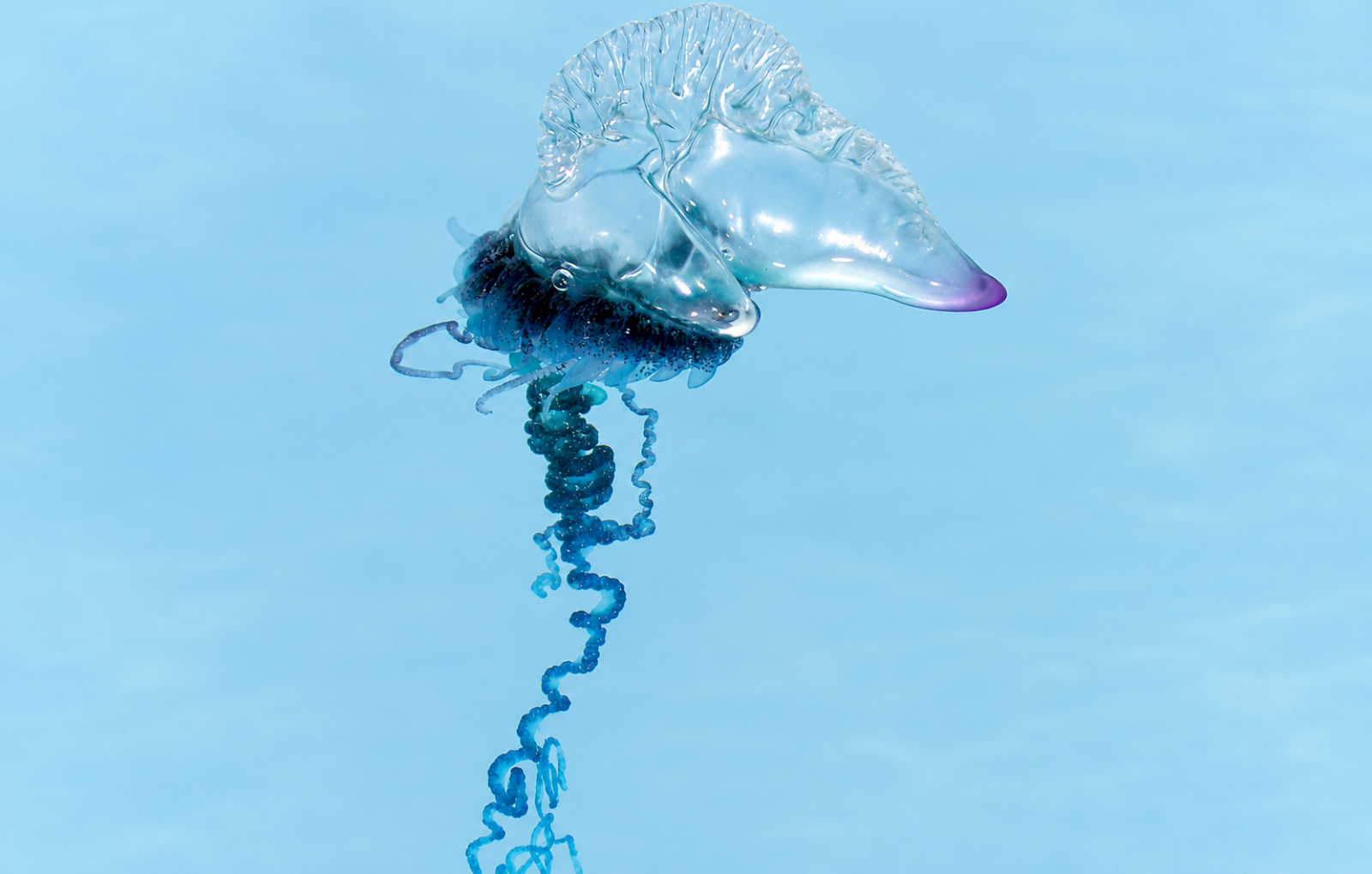
Un nuovo studio di World Weather Attribution mostra che il cambiamento climatico di origine umana ha reso le recenti ondate di calore marine molto più intense e frequenti, e che il Mediterraneo è particolarmente vulnerabile. Tra gli effetti visibili figurano la diffusione di organismi gelatinosi, anche molto urticanti come la caravella portoghese (nella foto), nel quadro di una progressiva tropicalizzazione della fauna marina. Le conseguenze pesano anche sulla terraferma, con maggiore umidità, precipitazioni estreme e rischi sanitari. Le misure di adattamento possono limitare i danni, ma per contenere gli impatti è indispensabile ridurre le emissioni legate ai combustibili fossili. Immagine: rielaborazione grafica da Wikimedia Commons
.jpg?uselang=it#Licenza)
Luglio 2026 è stato il mese più caldo mai registrato per gli oceani del pianeta (dato Copernicus ). Sulle coste europee, e in particolare nel Mediterraneo occidentale, le temperature superficiali del mare hanno toccato record assoluti: fino a 6°C sopra la norma a giugno, con una boa al largo di Maiorca che ai primi di agosto ha misurato 33°C.