
The effectiveness of the pandemic H1N1 influenza vaccination program, introduced in Scotland in October 2009, has been assessed by a team of researchers from different Scottish and French institutions, coordinated by Dr. Colin Simpson, from the University of Edinburgh. The results of this assessment has been published in the June issue of Lancet.
The vaccination campaign consisted of two phases, the first being aimed at frontline health-care workers, pregnant women and people whose underlying health problems make them more sensitive to influenza-like illness; in the second phase, all children aged between 6 months and 5 years were targeted.
The researchers performed a retrospective study by linking primary care, hospital records and death certification datasets of 247178 persons, representing the 5% of Scottish population. Of them, 38296 (15.5%) were given the vaccination. In this nationally representative cohort there were fewer hospital admissions and deaths from influenza-like illness – influenza, pneumonia, chronic obstructive pulmonary disease and cardiac disorders – in patients who were vaccinated against H1N1 influenza A virus. A representative sub-group of patient was swabbed and tested with RT-PCR, revealing an estimated vaccine effectiveness of 77%. Such a result proved to be higher than recent estimates in case-control studies undertaken in the UK (72%) and Europe (71.9%) but lower than another one performed in Navarre, Spain (89%).
The study thus provided evidence that the Scottish H1N1 vaccination program have been effective, both in terms of protection against the virus and reduction of mortality from influenza-like illness, and is likely to have reduced the burden of pandemic influenza on health-care providers.
Effectiveness in Scotland
Primary tabs
prossimo articolo
Quando nasce davvero l’ambientalismo?
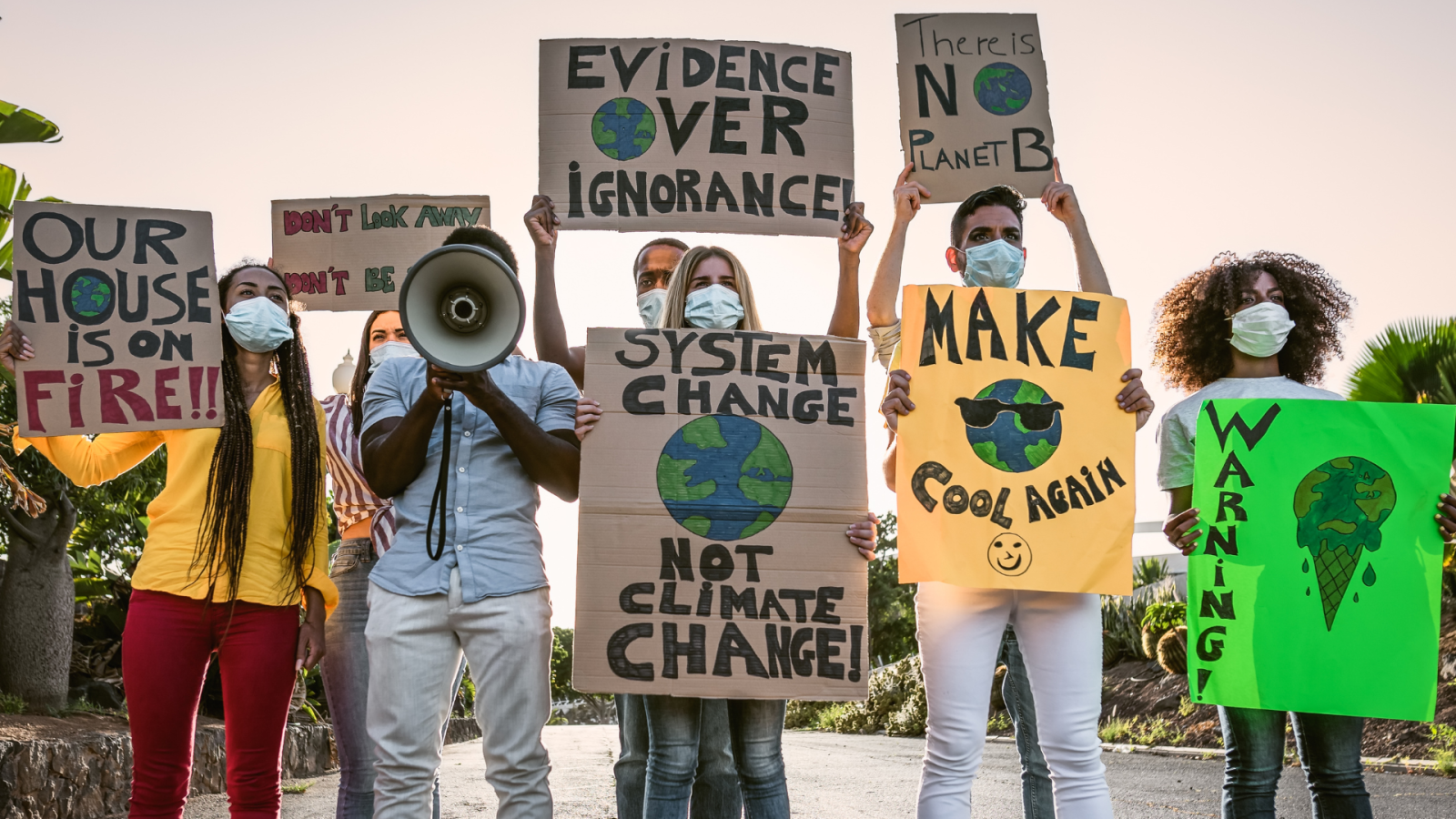
"Silent Spring", di Rachel Carson, è diventato nel 1962 il simbolo della nascita dell’ambientalismo moderno. Ma già prima una serie di esperienze aveva cominciato a mettere in discussione la fiducia illimitata nella crescita economica e nel progresso tecnologico. Le ripercorre Stefano Nespor: dal movimento antinucleare alla nascita della IUCN e del WWF, dall’Anno geofisico internazionale al primo romanzo ecologista. Esperienze in cui scienziati, intellettuali e associazioni contribuirono (spesso indipendentemente gli uni dagli altri) a costruire una nuova consapevolezza: la natura non era soltanto una risorsa da sfruttare, ma un patrimonio da conoscere e proteggere.
Negli anni immediatamente successivi alla fine della Seconda guerra mondiale, entrambi i blocchi dei Paesi vincitori, i Paesi a economia di mercato e i Paesi socialisti, hanno posto in primo piano, anche se per diverse finalità, il medesimo obiettivo: la crescita economica e lo sviluppo. L’obiettivo per i primi era la realizzazione di un ordine economico internazionale basato sul libero mercato. Per i Paesi del blocco socialista era la realizzazione della futura società socialista.