
The effectiveness of the pandemic H1N1 influenza vaccination program, introduced in Scotland in October 2009, has been assessed by a team of researchers from different Scottish and French institutions, coordinated by Dr. Colin Simpson, from the University of Edinburgh. The results of this assessment has been published in the June issue of Lancet.
The vaccination campaign consisted of two phases, the first being aimed at frontline health-care workers, pregnant women and people whose underlying health problems make them more sensitive to influenza-like illness; in the second phase, all children aged between 6 months and 5 years were targeted.
The researchers performed a retrospective study by linking primary care, hospital records and death certification datasets of 247178 persons, representing the 5% of Scottish population. Of them, 38296 (15.5%) were given the vaccination. In this nationally representative cohort there were fewer hospital admissions and deaths from influenza-like illness – influenza, pneumonia, chronic obstructive pulmonary disease and cardiac disorders – in patients who were vaccinated against H1N1 influenza A virus. A representative sub-group of patient was swabbed and tested with RT-PCR, revealing an estimated vaccine effectiveness of 77%. Such a result proved to be higher than recent estimates in case-control studies undertaken in the UK (72%) and Europe (71.9%) but lower than another one performed in Navarre, Spain (89%).
The study thus provided evidence that the Scottish H1N1 vaccination program have been effective, both in terms of protection against the virus and reduction of mortality from influenza-like illness, and is likely to have reduced the burden of pandemic influenza on health-care providers.
Effectiveness in Scotland
Primary tabs
prossimo articolo
Afghanistan, lo sguardo miope (e colpevole) dell'Occidente
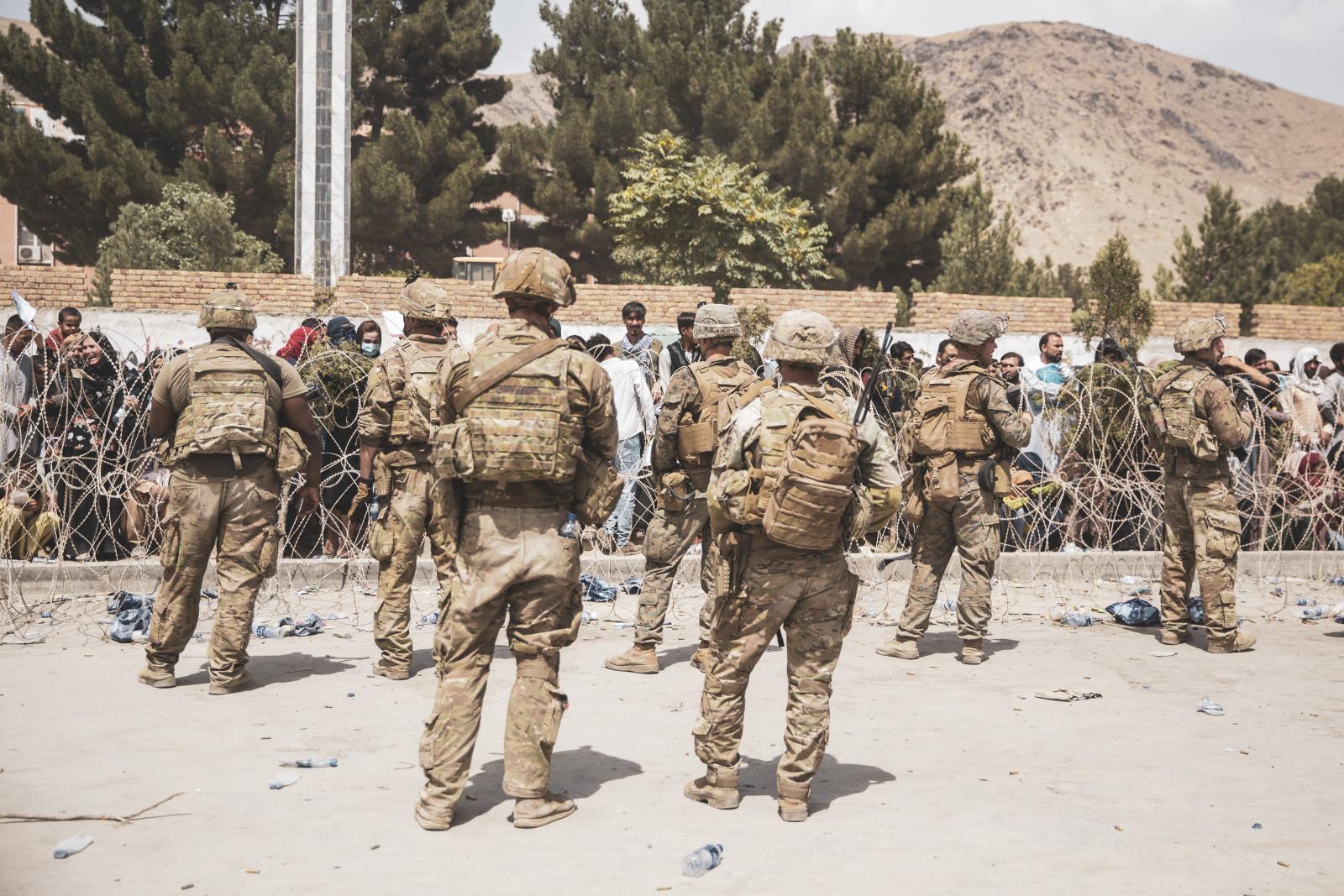
Cinque anni dopo il ritorno dei talebani, l'Afghanistan resta terra di repressione sistematica e collasso sanitario, aggravato dai tagli USAID. Mentre la Corte penale internazionale è sotto attacco e l'Europa negozia rimpatri con un regime che non riconosce, la resistenza delle donne afghane, dalle scuole clandestine di Herat alle dottoresse rimaste sul campo, continua a chiedere al mondo di non guardare altrove.
U.S. Marine Corps foto del sergente Victor Mancilla - Wikimedia Commons
Il 15 agosto i media hanno ricordato e, in qualche misura celebrato, il quinto anniversario della nuova presa di potere dei talebani a Kabul. Ma, a mio parere, l'immagine che racconta davvero il cambio di regime non è quella della vittoria dei miliziani entrati nel palazzo presidenziale, ma quella dei giorni successivi, all'aeroporto Hamid Karzai, con la folla afghana schiacciata contro le reti, i bambini passati di mano in mano oltre il filo spinato verso sconosciuti in uniforme, nella speranza che almeno loro avessero un futuro.