
The effectiveness of the pandemic H1N1 influenza vaccination program, introduced in Scotland in October 2009, has been assessed by a team of researchers from different Scottish and French institutions, coordinated by Dr. Colin Simpson, from the University of Edinburgh. The results of this assessment has been published in the June issue of Lancet.
The vaccination campaign consisted of two phases, the first being aimed at frontline health-care workers, pregnant women and people whose underlying health problems make them more sensitive to influenza-like illness; in the second phase, all children aged between 6 months and 5 years were targeted.
The researchers performed a retrospective study by linking primary care, hospital records and death certification datasets of 247178 persons, representing the 5% of Scottish population. Of them, 38296 (15.5%) were given the vaccination. In this nationally representative cohort there were fewer hospital admissions and deaths from influenza-like illness – influenza, pneumonia, chronic obstructive pulmonary disease and cardiac disorders – in patients who were vaccinated against H1N1 influenza A virus. A representative sub-group of patient was swabbed and tested with RT-PCR, revealing an estimated vaccine effectiveness of 77%. Such a result proved to be higher than recent estimates in case-control studies undertaken in the UK (72%) and Europe (71.9%) but lower than another one performed in Navarre, Spain (89%).
The study thus provided evidence that the Scottish H1N1 vaccination program have been effective, both in terms of protection against the virus and reduction of mortality from influenza-like illness, and is likely to have reduced the burden of pandemic influenza on health-care providers.
Effectiveness in Scotland
Primary tabs
prossimo articolo
Farmaci sotto pressione: la crisi parte dallo Stretto di Hormuz
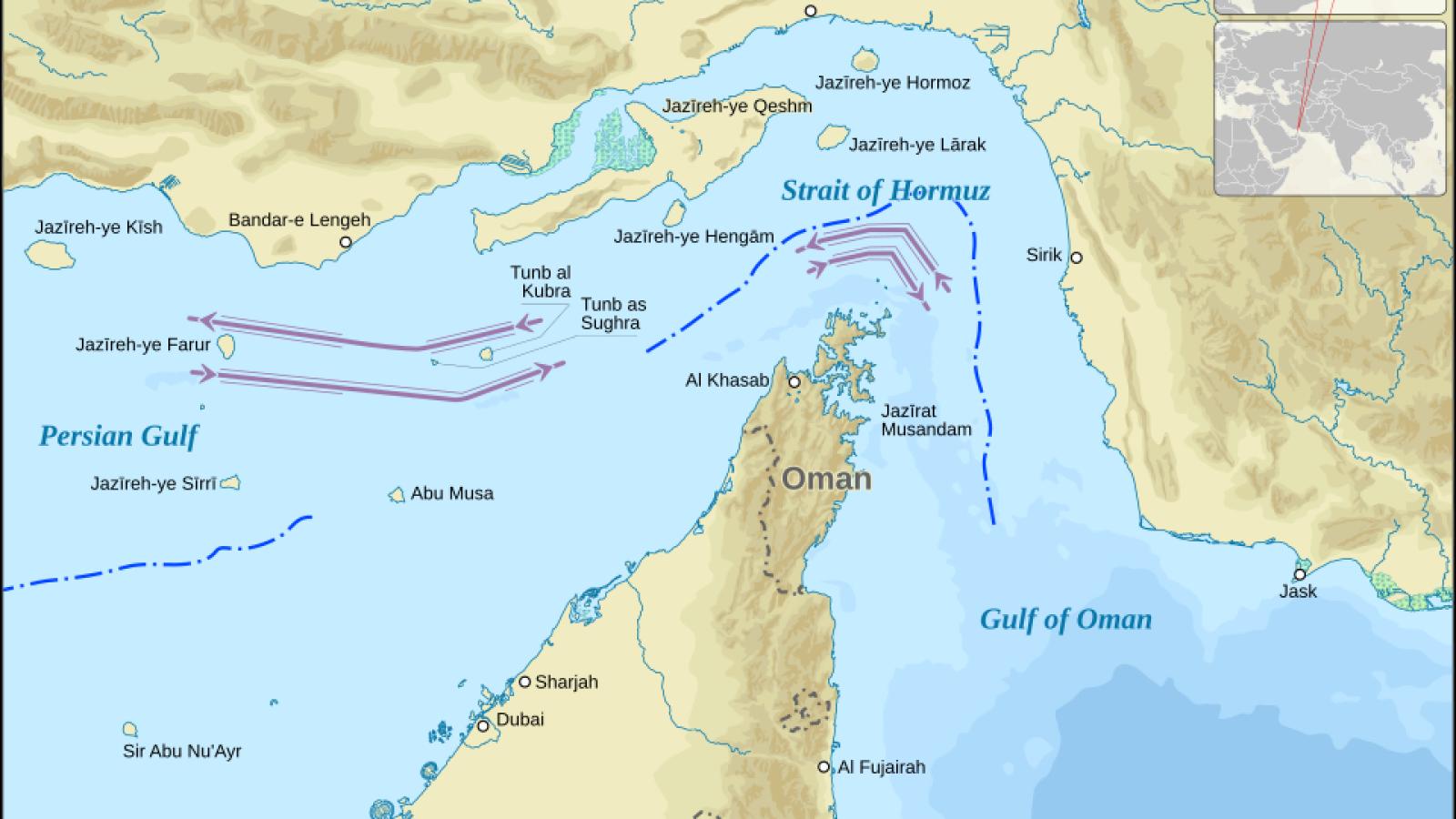
Principi attivi sintetizzati in Asia, elio (necessario per le risonanze magnetiche) importato dal Qatar, rotte bloccate nello Stretto di Hormuz: la crisi in Medio Oriente mostra quanto la filiera produttiva europea dei farmaci dipenda strutturalmente, e su più livelli, dai combustibili fossili e si regga su equilibri geografici fragili. Crediti immagine: Goran tek-en, CC BY-SA 4.0
Di solito, non ci chiediamo da dove vengano i farmaci. Quando ingeriamo con un sorso d'acqua una pillola di antibiotico, come l’amoxicillina, non viene immediato chiederci come quella capsula sia arrivata a casa nostra. La prendiamo per curare una cistite o un mal di gola di origini batteriche, spesso senza pensare che, prima ancora di essere nel suo blister e spedita sugli scaffali delle farmacie, ha già affrontato un processo fatto di viaggi lunghi e numerosi intermediari.