fbpx A world of R&D: what changed since the 80s? | Scienza in rete

A world of R&D: what changed since the 80s?

Read time: 2 mins

In three decades the world can change of a lot. And it did: Cold War ended and several others started; new nations were born while globalisation kicked in. Yet one thing didn't seem to stop: growth of research. In the history of mankind there has never been as much scientific research as there is now, with millions of scientists and several thousands of institutions working every day. But if growth of science never stopped, it sure changed how science is done and – as important – how it is funded. OECD, in its “Science and Technology Indicators”, gathered data that goes back to 1981; they allow us to see, country by country, how much governments and industry invested in science. We present them in an interactive map.


Historically most countries have been pretty clear about science: either they like it or they don't very much. Expenditures in research rarely changed dramatically. One notable exception is South Korea, that from 2003 started to invest massively in this field. Today 4% of its GDP is directed towards scientific resarch: only Israel – a much smaller nation – devolves so many of its resources to science. Germany experience the opposite phenomenon: funds growth slowed from 1988. Yet today they are their peak, at 2,88% of GDP.


At the same time not all investments are created equal. There are countries like Argentina in which most of the funding comes from governmental sources and others where it's industry that pushes for science. Since 1981 the latter has become more common: industry-funded research grew generally at a much faster pace pretty in several countries. That is not the case for Italy and Spain, in which there is not much difference, in quantity, between the two funding sources.


Note: all data is provided by OECD. A spreadsheet with all relevant information has been compiled, and it's available here.

Scienza in rete è un giornale senza pubblicità e aperto a tutti per garantire l’indipendenza dell’informazione e il diritto universale alla cittadinanza scientifica. Contribuisci a dar voce alla ricerca sostenendo Scienza in rete. In questo modo, potrai entrare a far parte della nostra comunità e condividere il nostro percorso. Clicca sul pulsante e scegli liberamente quanto donare! Anche una piccola somma è importante. Se vuoi fare una donazione ricorrente, ci consenti di programmare meglio il nostro lavoro e resti comunque libero di interromperla quando credi.


prossimo articolo

Nipah, in Europa il virus non spaventa. Ma il contesto sì

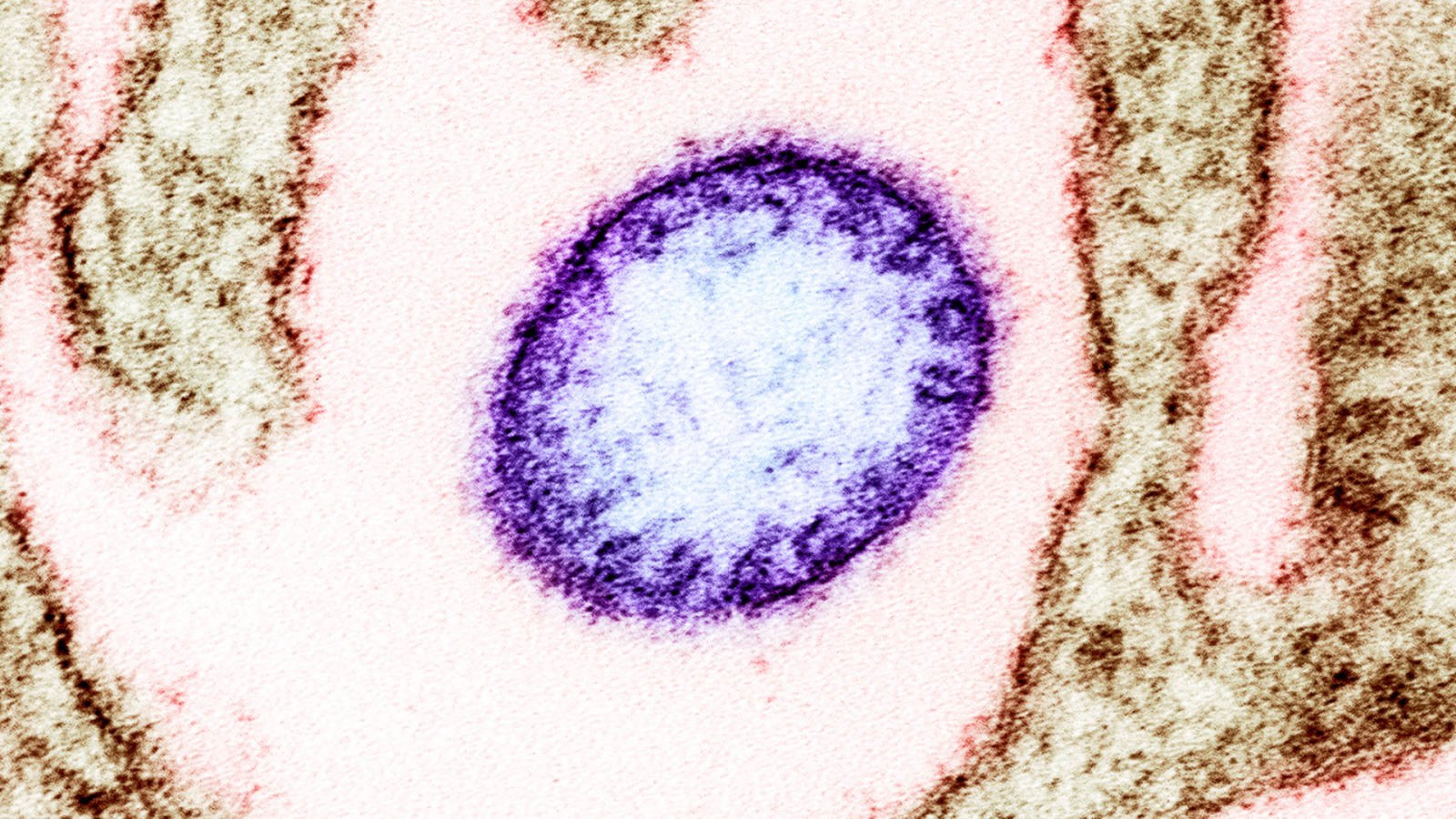
virus Nipah al microscopio

Durante la pandemia di Covid-19 il film Contagion sembrò anticipare la realtà: zoonosi, risposta sanitaria globale, disinformazione. Oggi un focolaio di Nipah virus in India riporta l’attenzione su questi scenari. Il rischio per l’Europa resta basso, ma il contesto è cambiato: la cooperazione internazionale è più fragile, dopo il ritiro degli Stati Uniti dall’Organizzazione mondiale della sanità. La domanda non è se scattare l’allarme, ma come rafforzare una risposta globale efficace.

In copertina: fotografia al microscopio ottico del Nipah virus. Crediti NIAID/Wikimedia Commons. Licenza: CC BY 2.0

Durante la pandemia da Covid-19, il film Contagion del 2011 ebbe un picco di popolarità, perché in effetti la risposta della comunità internazionale (tra cui i CDC statunitensi erano in prima fila) alla minaccia di una pandemia aveva parecchie somiglianze con quello che stava succedendo nel mondo al di fuori dello schermo. Nel film, il virus che causava appunto il contagio era sconosciuto, proveniva dal mondo animale, più precisamente dai pipistrelli che, disturbati dalle attività umane nel loro habitat naturale, andavano a infettare dei maiali.