fbpx Machinery behind virus replication | Page 10 | Scienza in rete

Machinery behind virus replication

Primary tabs

Read time: 1 min

A team of scientists from the The Scripps Research Institute (TSRI), California, manage to observe and describe a mechanism for viral replication based on ribonucleoprotein complexes (RNPs). The role of RNPs in virus infection and survival was already known but the ways this apparatus works have always been elusive because these tiny molecular machines are hard to produce efficiently in the lab.

As reported in a paper published on Science on December 21, the American researchers found a way to make full-length flu RNPs and analyzed them with innovative imaging system. By doing this, they managed to see some flu RNPs being replicated, something which had never been seen before. Such a discovery would be of great help to fight viral infection by highlighting some viral weak points that could be targeted by specifically designed drugs.
Autori: 
Sezioni: 
Flu

prossimo articolo

Trump fuori controllo dà il via libera ai gas serra

La revoca dell'Endangerment Finding smantella le basi scientifiche e legali della politica climatica USA. Le reazioni del mondo della ricerca sotto attacco. Il monito del Nobel Parisi a non ignorare la ricerca, che parafrasando Galilei commenta: “Eppur si scalda”.
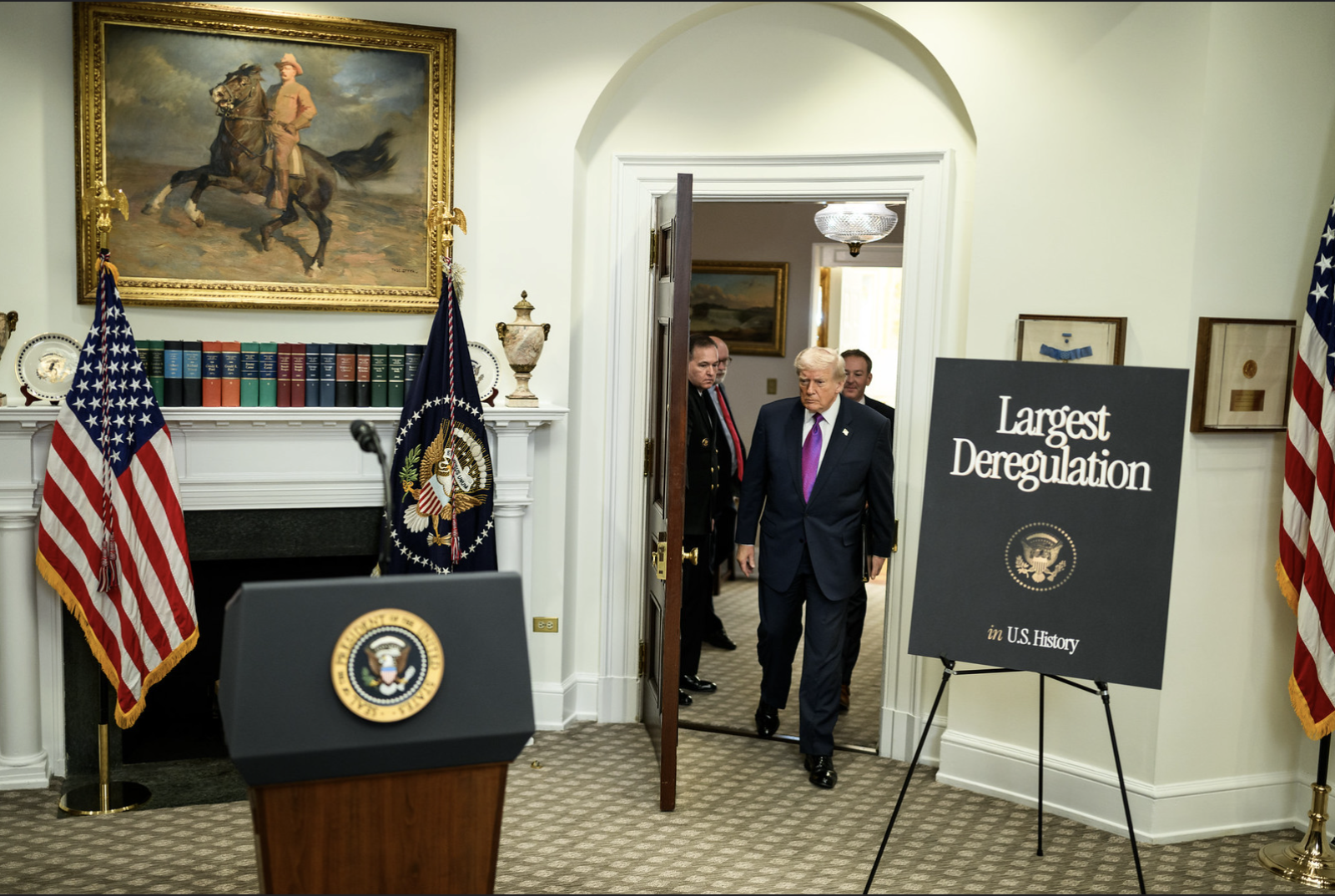
Nella foto: Il presidente Donald Trump e l'amministratore dell'EPA Lee Zeldin annunciano nella Roosevelt Room la revoca della Endangerment Finding (determinazione di pericolo) dell'Agenzia per la Protezione Ambientale del 2009, giovedì 12 febbraio 2026. (Foto ufficiale della Casa Bianca di Daniel Torok).

Il 12 febbraio 2026 l'amministrazione Trump ha calato la scure sull'Endangerment Finding (determinazione di pericolo), il documento adottato nel 2009 dall'Environmental Protection Agency (EPA) che riconosceva i principali gas serra – anidride carbonica, metano, idrofluorocarburi – come sostanze climalteranti con provati effetti nocivi sulla salute umana, sul clima e sulla biodiversità.